


What Are Nicotine Pouches? A Complete Guide To Ingredients, Uses, And Health Risks
Leave a message

Nicotine pouches are small, tobacco-leaf-free oral products that deliver nicotine through the lining of the mouth. Unlike cigarettes, they do not involve burning tobacco. Unlike electronic cigarettes, they do not generate inhaled aerosol.
These products have become an increasingly visible category within the global nicotine market, prompting questions about their ingredients, chemical composition, health effects, and regulatory status.
So, what are nicotine pouches, how do they work, and what makes them different from other nicotine products?
This comprehensive guide explains the science behind nicotine pouches, the materials they contain, how nicotine is absorbed, and the important health and regulatory considerations surrounding their use.
What Are Nicotine Pouches?
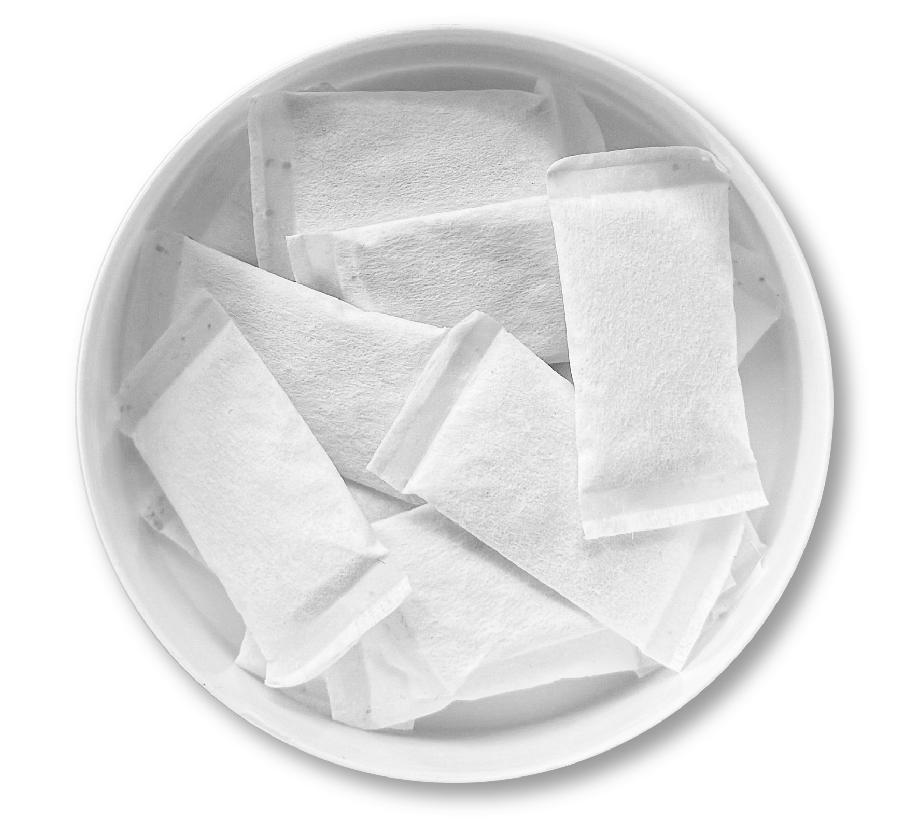
Nicotine pouches are small, pre-portioned fiber pouches containing nicotine and other ingredients.
They are generally designed to be positioned between the upper lip and gum, where nicotine can be released and absorbed through the oral mucosa.
Most nicotine pouches contain no tobacco leaf, although the nicotine itself may be extracted from tobacco plants or manufactured synthetically.
This distinction is important because the term tobacco-free can describe the absence of tobacco plant material without necessarily indicating that the nicotine was synthetically manufactured.
Nicotine pouches are also sometimes called:
Oral nicotine pouches
Tobacco-free nicotine pouches
Modern oral nicotine products
White nicotine pouches
These terms may be used differently across markets, so product composition and labeling should always be examined.
Although nicotine pouches do not require combustion, they contain nicotine, a highly addictive chemical that can cause serious health effects.
What Are Nicotine Pouches Made Of?
Nicotine pouches typically contain several components, each serving a particular role in the finished product.
Exact ingredient lists vary depending on the product formulation and manufacturer.
1. Nicotine
Nicotine is the primary pharmacologically active ingredient.
It is an alkaloid with the molecular formula C10H14N2.
Nicotine used in pouches may come from tobacco extraction or chemical synthesis.
Regardless of origin, nicotine remains addictive and can produce toxic effects.
2. Plant-Based or Cellulose Fillers
Many nicotine pouches contain cellulose-based materials that provide bulk and help form the pouch's internal structure.
Microcrystalline cellulose is one example of a filler used in this product category.
Cellulose is a naturally occurring structural component of plants, but the processed ingredients used in commercial products can vary in their physical characteristics.
3. Sweeteners
Some nicotine pouch formulations contain sweeteners such as xylitol or maltitol.
These substances may contribute to the product's sensory characteristics.
However, the presence of a familiar food ingredient does not mean that an entire nicotine-containing product is harmless.
4. Flavoring Ingredients
Some nicotine pouches contain flavorings, while others are marketed as unflavored.
Flavor-related ingredients can differ between products and markets.
Their suitability for use in a particular product category should be assessed independently of their acceptance in food applications.
5. Other Formulation Ingredients
Depending on the product, additional ingredients may serve functions related to moisture, acidity, preservation, or physical stability.
The complete formulation should be assessed as a whole rather than judging product safety from individual ingredient names.
How Do Nicotine Pouches Work?
Nicotine pouches deliver nicotine through oral mucosal absorption.
The oral mucosa is the tissue lining the inside of the mouth.
When a nicotine pouch is placed between the lip and gum, moisture in the mouth interacts with the contents of the pouch.
Nicotine can then be released from the product and absorbed through the oral tissues into the bloodstream.
The amount and rate of nicotine delivery vary between products.
Factors affecting nicotine exposure can include:
The amount of nicotine in the pouch.
The chemical form of nicotine.
Product formulation characteristics.
The release behavior of the pouch.
Duration of contact with the oral mucosa.
Individual physiological differences.
Importantly, the nicotine amount printed on a package does not necessarily equal the amount absorbed by the body.
The relationship between labeled nicotine content and actual exposure requires appropriate scientific assessment.
Are Nicotine Pouches the Same as Snus?
Nicotine pouches and snus are both oral products, but they differ in composition.
Traditional snus is a moist oral tobacco product associated particularly with Scandinavian markets.
Snus contains tobacco material.
Modern nicotine pouches generally do not contain tobacco leaf or ground tobacco.
| Feature | Nicotine Pouches | Traditional Snus |
|---|---|---|
| Contains nicotine | Yes | Yes |
| Contains tobacco leaf | Generally no | Yes |
| Oral use | Yes | Yes |
| Requires combustion | No | No |
| Typical primary material | Nicotine and non-tobacco fillers | Processed tobacco |
| Health risks | Present | Present |
| Regulatory classification | Varies by jurisdiction | Varies by jurisdiction |
Both categories can expose users to nicotine and other substances.
Because formulations and manufacturing methods differ, their chemical composition and toxicological profiles should not be assumed to be identical.
Nicotine Pouches vs. Cigarettes
Cigarettes and nicotine pouches deliver nicotine through different routes.
Cigarettes burn tobacco, generating smoke containing numerous harmful combustion products.
Nicotine pouches do not involve tobacco combustion.
This difference is important when assessing chemical exposure.
According to the U.S. Food and Drug Administration, adults who smoke cigarettes and switch completely to nicotine pouches may reduce exposure to many harmful chemicals associated with cigarette smoke.
However, nicotine pouches are not risk-free.
They still contain addictive nicotine, and their overall health risks depend on product characteristics and patterns of use.
The FDA also advises that people who do not use tobacco products should not begin using nicotine pouches.
Importantly, using both cigarettes and nicotine pouches does not provide the same potential benefit as completely replacing cigarettes.
Understanding Nicotine Pouch Strengths
Nicotine pouch packaging often provides information about nicotine content.
This is commonly expressed in milligrams, although labeling conventions vary between products and markets.
For example, nicotine content may be described as:
Milligrams per pouch.
Milligrams per gram of product.
A manufacturer-defined strength category.
These measurements are not necessarily interchangeable.
Milligrams per Pouch
This indicates the stated amount of nicotine contained in an individual pouch.
Milligrams per Gram
This measures nicotine concentration relative to the mass of the material.
Strength Descriptions
Some manufacturers use terms such as mild, strong, or extra strong.
However, these categories are not globally standardized.
Buyers and researchers should therefore examine the actual numerical information rather than relying solely on strength-related marketing descriptions.
Does Higher Nicotine Content Mean Greater Exposure?
A higher nicotine content can increase the potential for nicotine exposure, but actual absorption depends on additional factors.
Two pouches with the same labeled nicotine content may not produce identical nicotine delivery.
Controlled scientific research is necessary to evaluate these differences.
Are Nicotine Pouches Tobacco-Free?
Most modern nicotine pouches are described as tobacco-leaf-free because they do not contain cut, ground, or powdered tobacco.
However, nicotine itself may still originate from tobacco.
There are two broad sources of nicotine used in commercial products.
Tobacco-Derived Nicotine
This nicotine is obtained from tobacco plants through extraction and purification.
The resulting nicotine molecule can be chemically identical to nicotine produced synthetically.
Synthetic Nicotine
Synthetic nicotine is manufactured through chemical processes instead of extraction from tobacco plants.
Its manufacturing origin may influence its impurity profile and stereochemical composition.
Neither nicotine source automatically guarantees superior purity or safety.
The distinction should be established through reliable material documentation and, where necessary, appropriate analytical methods.
Are Nicotine Pouches Safe?
Nicotine pouches are not harmless.
Nicotine is highly addictive and can adversely affect human health.
The U.S. Centers for Disease Control and Prevention states that scientists are still studying the short- and long-term health effects of nicotine pouch use.
Nicotine Addiction
Nicotine can lead to dependence.
Repeated exposure may result in cravings and withdrawal symptoms when nicotine use stops.
Effects on Young People
Nicotine exposure during adolescence can interfere with brain development.
The human brain continues developing into young adulthood, making youth nicotine exposure a significant public health concern.
Pregnancy
Nicotine exposure during pregnancy can harm fetal development.
Pregnant individuals should avoid nicotine products unless specifically directed otherwise by an appropriate healthcare professional.
Oral Health Considerations
Nicotine pouches come into direct contact with oral tissues.
Possible local effects, including irritation, remain an area of research.
The type, frequency, and severity of effects may vary with formulation and exposure patterns.
Nicotine Poisoning
Accidental exposure can be particularly dangerous for children.
The FDA has warned about increasing reports of nicotine pouch exposure involving young children.
Products should be stored securely and kept away from children and pets.
A nicotine-free lifestyle remains the lowest-risk option for people who do not currently use nicotine.
Can Nicotine Pouches Help People Quit Smoking?
Nicotine pouches are sometimes discussed as possible alternatives to cigarettes.
However, they should not be confused with approved smoking-cessation medications.
As of October 2026, the FDA has not approved nicotine pouches as smoking-cessation treatments.
There is still a need for further research into their effectiveness for helping people quit smoking.
Evidence-based cessation methods include approved medications and behavioral support.
Adults seeking to stop smoking should consider established cessation resources and discuss suitable options with a healthcare professional.
How Are Nicotine Pouches Manufactured?
Industrial nicotine pouch production involves several general stages.
Exact processes vary according to manufacturing technology, product design, and applicable quality requirements.
Raw Material Qualification
Manufacturers assess the identity and specifications of nicotine and other raw materials.
Relevant documentation may include Certificates of Analysis, supplier specifications, and safety information.
Formulation Development
Product developers establish the intended characteristics of the pouch, including its material properties and chemical composition.
Pouch Formation and Packaging
Manufacturing equipment is used to form and package the product.
The finished product must also meet relevant packaging and labeling requirements.
Quality Testing
Quality-control procedures may assess:
Nicotine content.
Product consistency.
Chemical impurities.
Physical characteristics.
Microbiological quality, where relevant.
Packaging integrity.
Storage stability.
The scope of testing depends on the product, its manufacturing history, and regulatory requirements.
Nicotine Pouch Quality Control
Quality assurance is important because nicotine pouches combine an addictive active ingredient with a complex formulation.
A comprehensive assessment should consider both the nicotine ingredient and the finished pouch.
Chemical Testing
Analytical techniques may include high-performance liquid chromatography and mass spectrometry.
These can support nicotine assay and selected impurity investigations when appropriate methods are used.
Batch Consistency
Manufacturers may evaluate whether different production batches meet established specifications.
Packaging and Labeling
Packaging requirements can include nicotine-content declarations, health warnings, child-resistant features, and other market-specific information.
Supplier Documentation
For industrial procurement, relevant documentation may include:
Product specifications.
Batch-specific Certificates of Analysis.
Safety Data Sheets for relevant raw materials.
Traceability records.
Applicable regulatory documentation.
A high nicotine purity claim alone does not establish that a finished pouch is safe or legally marketable.
Nicotine Pouch Regulations in the United States
In the United States, nicotine pouches fall under FDA tobacco-product regulatory authority, regardless of whether the nicotine is tobacco-derived or synthetic.
Manufacturers must comply with relevant legal requirements, including applicable premarket authorization obligations.
In January 2025, the FDA authorized the marketing of 20 ZYN nicotine pouch products following scientific review.
In June 2026, the agency also authorized specific modified-risk claims for those products.
These decisions apply to the particular authorized products and claims.
They do not establish that all nicotine pouches are FDA-approved or safe, nor do they grant other manufacturers permission to use equivalent claims.
The federal minimum age for purchasing tobacco products in the United States is 21.
Requirements in other countries vary and should be checked individually.
Frequently Asked Questions About Nicotine Pouches
1. What exactly is a nicotine pouch?
A nicotine pouch is a small oral product containing nicotine and other ingredients inside a fiber pouch. It is generally positioned between the lip and gum, allowing nicotine to be absorbed through oral tissues.
2. Do nicotine pouches contain tobacco?
Most modern nicotine pouches do not contain tobacco leaf or ground tobacco. However, the nicotine itself may be derived from tobacco plants or manufactured synthetically.
3. Are nicotine pouches safer than cigarettes?
Nicotine pouches do not produce cigarette smoke, and completely switching from cigarettes to nicotine pouches may reduce exposure to many combustion-related harmful chemicals. However, nicotine pouches remain addictive and carry health risks.
4. Can nicotine pouches cause addiction?
Yes. Nicotine is highly addictive, and nicotine pouches can lead to dependence.
5. What is the difference between nicotine pouches and snus?
Nicotine pouches generally contain nicotine without tobacco plant material, while traditional snus contains processed tobacco.
6. Are nicotine pouches approved for quitting smoking?
No. The FDA has not approved nicotine pouches as smoking-cessation medications.
7. Are synthetic nicotine pouches nicotine-free?
No. Synthetic nicotine is still nicotine. The term synthetic describes its manufacturing origin rather than the absence of nicotine.
8. Can nicotine pouches be legally sold in every country?
No. Product restrictions, marketing authorization rules, labeling requirements, and sales regulations differ by country and may change over time.
Conclusion
Nicotine pouches are an increasingly prominent category of oral nicotine products that deliver nicotine without tobacco combustion.
They differ from cigarettes, electronic cigarettes, and traditional snus in their physical design, ingredients, and route of exposure.
Understanding nicotine pouch chemistry, ingredient composition, nicotine delivery, quality control, and regulatory requirements is important for researchers, manufacturers, and industry professionals.
However, the absence of tobacco leaf or smoke does not mean that nicotine pouches are harmless.
They contain addictive nicotine and may expose users to other chemicals.
As scientific research and regulations continue to evolve, reliable product information, transparent manufacturing documentation, and responsible public health communication remain essential.
Further Reading
Explore our related educational guides covering nicotine pouch ingredients, manufacturing quality control, synthetic nicotine chemistry, product testing, and international nicotine regulations.
Disclaimer: This article is intended for scientific and general educational purposes. It does not provide medical advice or endorse nicotine use. Nicotine is addictive and can cause serious health effects.